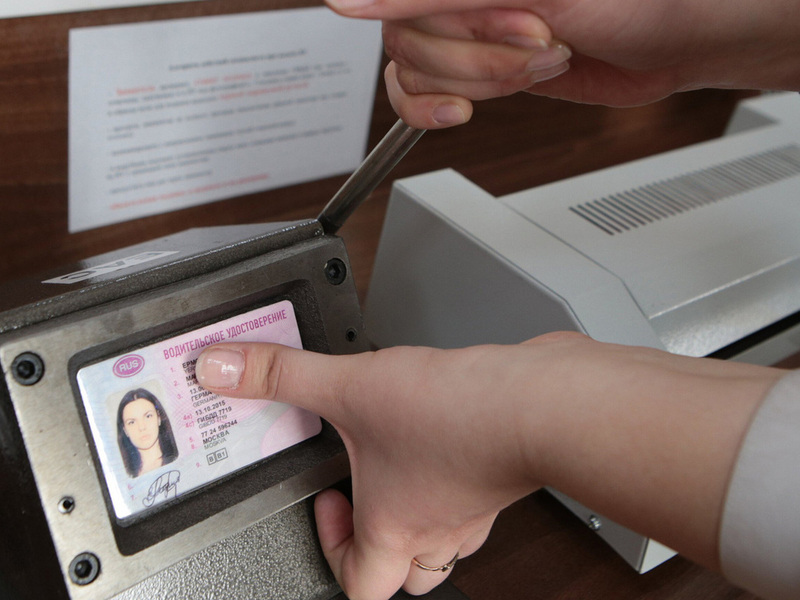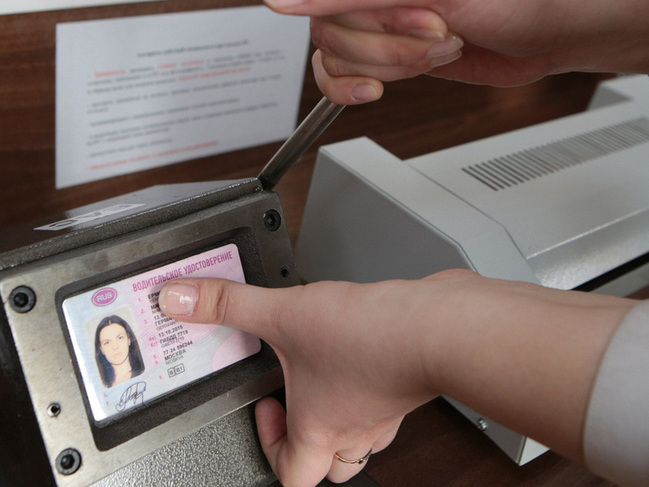
Swapping out an old driver's license for a new one should be simple—just walk in, hand over the old, get the new. But reality? Not so much. Picture this: you stride into the traffic police office, document in hand, only to be stopped dead by an officer who insists you clear every unpaid fine first. Can they do that? Alexei Petrov, an automotive expert with more than a few stories under his belt, says absolutely not. "The law draws a clear line—renewing your license and settling fines are two separate things," he points out. "Blocking the process isn't just bad form, it's against the rules." So what happens to the officer who oversteps? Depending on how serious the violation is, they could face anything from a slap on the wrist to being benched entirely.
Now, let's talk about the kind of headache that makes you want to scream into your steering wheel: the blocked parking spot. You're ready to leave, but someone's parked like they own the place, and suddenly you're trapped. Can you demand compensation for the hassle? Well, it's not black and white. If the car is parked legally but just in your way, you're probably out of luck. But if it's squatting in a fire lane or blocking a crosswalk? That's a different story. "Document everything," Petrov advises, and he's not wrong. Snap photos, note the time, maybe even grab a witness or two. Those details could be the difference between getting justice and getting stuck.
Legal tangles get even messier when multiple jurisdictions are involved. Imagine a driver slapped with charges in three different cities. When he asks the court to send summonses to all three locations, the judge is suddenly juggling fairness and logistics. How do you make sure due process happens without turning it into a bureaucratic nightmare? The answer usually involves some clever maneuvering—consolidating hearings, leaning on digital tools, or finding other ways to keep things moving. "It's a balancing act," Petrov admits, "but the endgame is always the same: justice, without dragging it out forever."
And then there's the big April shake-up with speeding fines. Drivers everywhere braced for impact, expecting harsher penalties to kick in immediately. But here's the kicker: the traffic police haven't actually started enforcing them. Why the wait? According to Petrov, it's all about getting the ducks in a row. "New rules mean new gear, new training, and a whole lot of public education," he explains. "Rush it, and you risk chaos." So while those steeper fines are technically on the books, don't expect to see them in action until the system is truly ready to roll them out.
Traffic rules can feel like a moving target, always shifting just when you think you've got them figured out. But here's the thing: staying informed is your best defense. Whether it's knowing your rights when renewing a license, figuring out how to handle a parking dispute, or preparing for tougher speeding penalties, knowledge is the real power move. As Petrov puts it, "The road ahead is unpredictable, but with the right info, you can steer clear of trouble—and maybe even avoid a few headaches along the way."