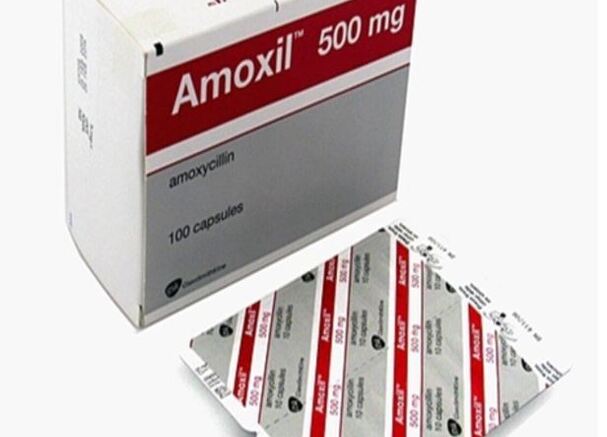
Amoxicillin 500mg is, in many ways, the backbone of modern outpatient antibiotic therapy. But what exactly is it doing in your body, and why does it remain such a go-to for doctors decades after its introduction?
Amoxicillin belongs to the penicillin family of antibiotics. It works by interfering with a critical process in bacterial cell walls. Think of a bacterium as a tiny, water-filled balloon. The cell wall is the stretchy rubber that holds it all together. Amoxicillin prevents that wall from being properly constructed. The bacterium, still trying to grow and multiply, essentially bursts from its own internal pressure. It’s a brilliantly targeted mechanism against a wide range of bugs, though it’s completely useless against viruses like those causing colds or flu.
The 500mg strength is a particular sweet spot in dosing. It’s potent enough to achieve what we call “bactericidal” levels in your tissues and bloodstream for many common infections, meaning it kills bacteria rather than just slowing them down. This dose is frequently the standard for adult cases of bronchitis, pneumonia, sinus infections, and ear infections. It’s also the frontline warrior against certain urinary tract infections and a key part of the regimen for eradicating stomach ulcers caused by H. pylori bacteria. For a simple skin infection, a doctor might start with 250mg, but the deeper or more systemic the infection, the more likely you’ll see that 500mg figure on the bottle.
Taking it correctly is non-negotiable. The classic instruction is “three times a day,” roughly every eight hours. This isn’t arbitrary. The goal is to maintain a steady, effective concentration of the drug in your system to keep constant pressure on the bacteria. Letting that level drop gives the surviving bugs a chance to recover and potentially develop resistance. You can take it with or without food, which is a major advantage over some other antibiotics that can cause stomach upset. However, if you do get nausea, taking it with a small meal often solves the problem. You must finish the entire course, even if you feel better after a few days. Stopping early is the prime way to encourage superbugs.
No discussion is complete without a frank talk about the downsides. The most serious risk is an allergic reaction. A true penicillin allergy can range from a rash to life-threatening anaphylaxis. Anyone who has experienced this must avoid amoxicillin and all related antibiotics. More common are the annoying side effects: diarrhea, yeast infections, or a metallic taste in the mouth. The diarrhea happens because the antibiotic isn’t discriminating; it can disrupt the good bacteria in your gut alongside the bad. Using a probiotic during and after a course can sometimes help restore balance.
Its very commonness can breed a sort of casual familiarity. People sometimes find old bottles in the cabinet and consider using them for a new “bug.” This is a terrible idea. Different infections require different treatments, and taking an incomplete or unnecessary course fuels antibiotic resistance. That prescription was for a specific infection at a specific time. It’s not a general-purpose tool.
Amoxicillin 500mg is a testament to elegant, effective design. It’s relatively safe, well-tolerated, and for the infections it targets, it remains powerfully effective. Its role is so fundamental that it’s often the first weapon drawn from the arsenal. But like any tool, its power depends on knowledgeable and responsible use. Respect it, take it as directed, and it will almost certainly do its job quietly and efficiently, just as it has for millions of people for generations. Always, however, let that decision be made in consultation with a professional who can weigh the specifics of your situation.